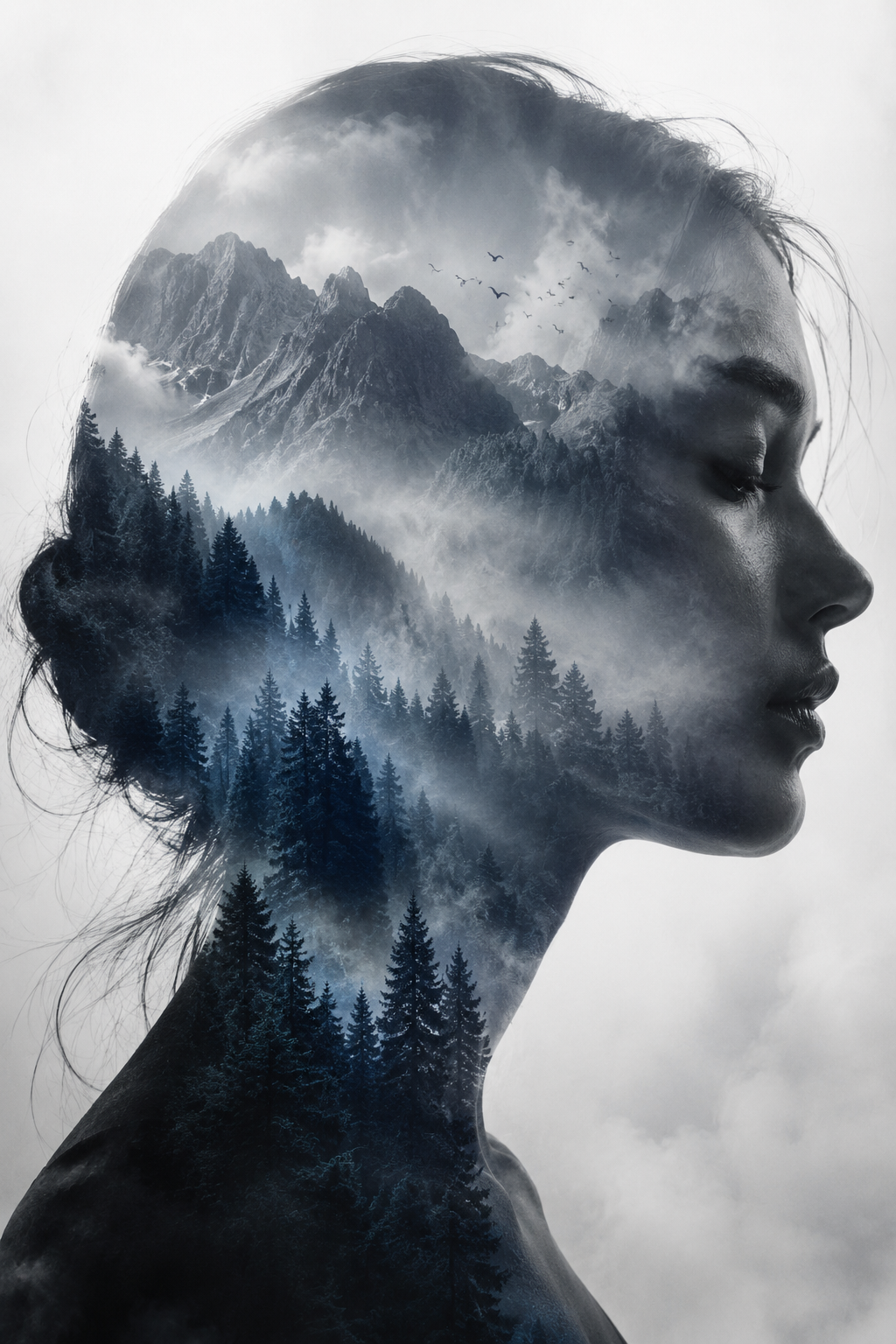
Poetic portrait prompt with nature inside the silhouette
A cinematic prompt ChatGPT example for combining a human profile, forest detail, mountain atmosphere, and restrained color grading.
Tiny studio for visual ideas
Start with a half-formed image in your head. Pick a style, arrange the frame, choose the light, and leave with a prompt that feels like a small creative brief instead of a generic command.
Create a high-quality AI image. Main subject: A tiny vintage botanical bookstore window after rain, filled with plants, warm lamps, and hand-painted book signs. Style: Japanese collage. Composition: Eye-level view, with clear visual hierarchy and balanced spacing. Required elements: stacked art books, trailing ivy, raindrops on glass, small ceramic cat, paper price tags, taped botanical sketches, cozy street reflection. Color palette: Fresh Japanese blue and cream. Lighting: Soft light. On-image text: Rainy Leaf Books, clear hand-painted window lettering. Mood: Quiet, charming, handmade, bookish, and gently nostalgic. Aspect ratio: 16:9. Make the final result polished, detailed, coherent, and ready for use as a ChatGPT Images 2.0 visual prompt.
Mix the ingredients
Fill the left side like a creative card, then tune the right side with compact selectors. The finished prompt can be copied into your image workflow or saved for later.
Scene cards
Each card pairs a finished-looking direction with a reusable prompt. Portrait images keep their full height in view; wide images sit edge to edge without being cropped.

A cinematic prompt ChatGPT example for combining a human profile, forest detail, mountain atmosphere, and restrained color grading.

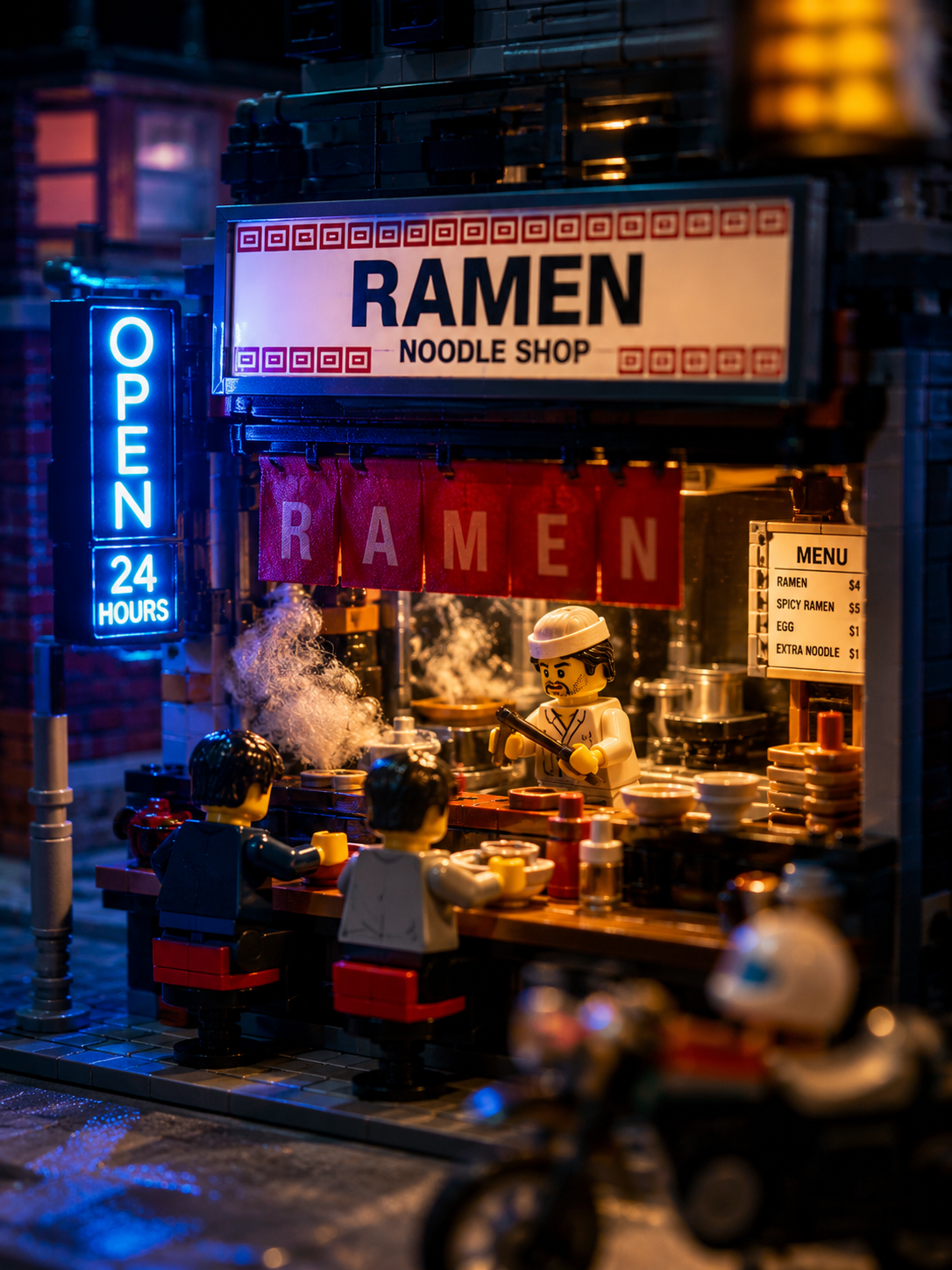
This prompt ChatGPT sample shows how concrete props, macro photography, and contrast lighting create a highly specific image request.

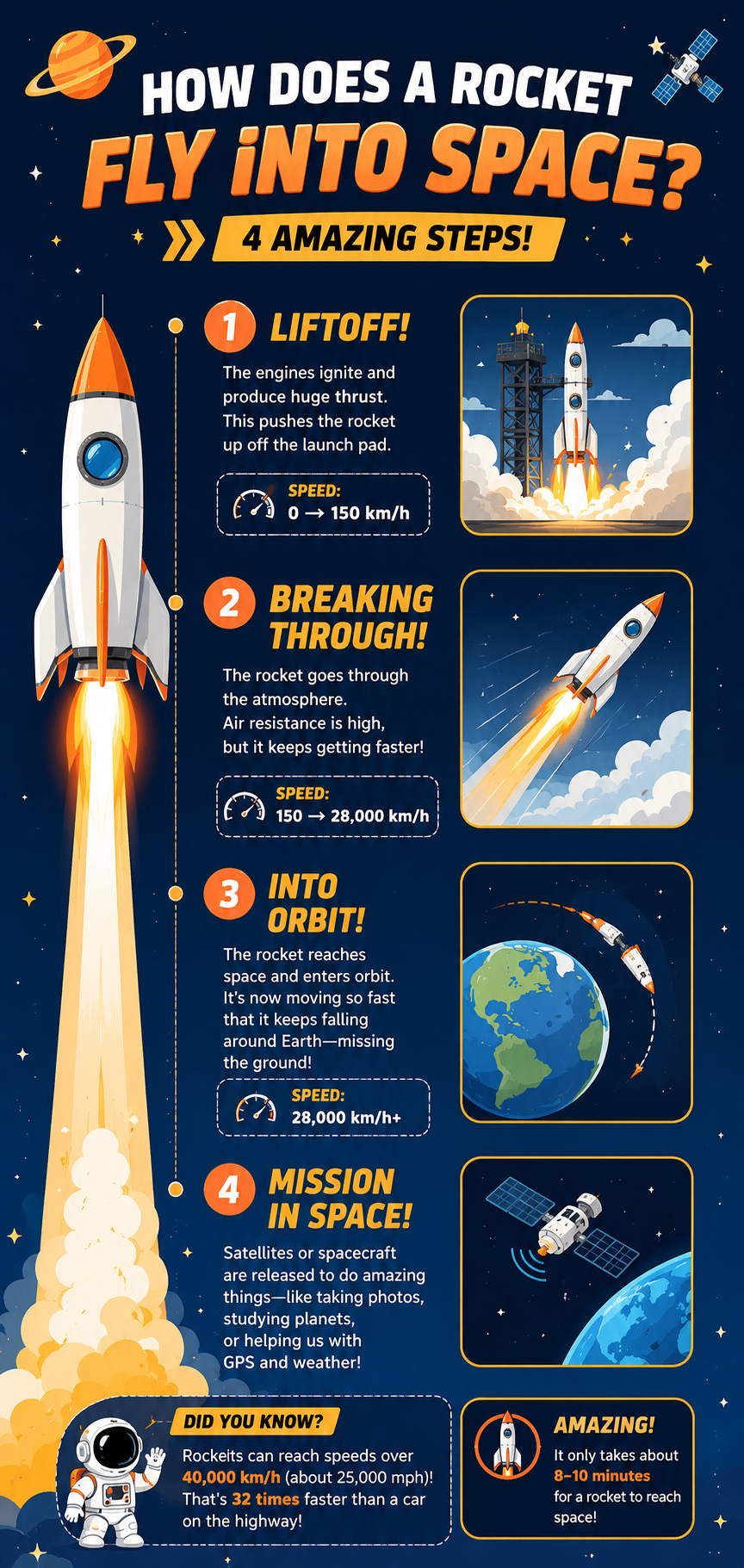
A prompt ChatGPT framework for kid-friendly diagrams, clear modules, readable typography, and structured educational content.

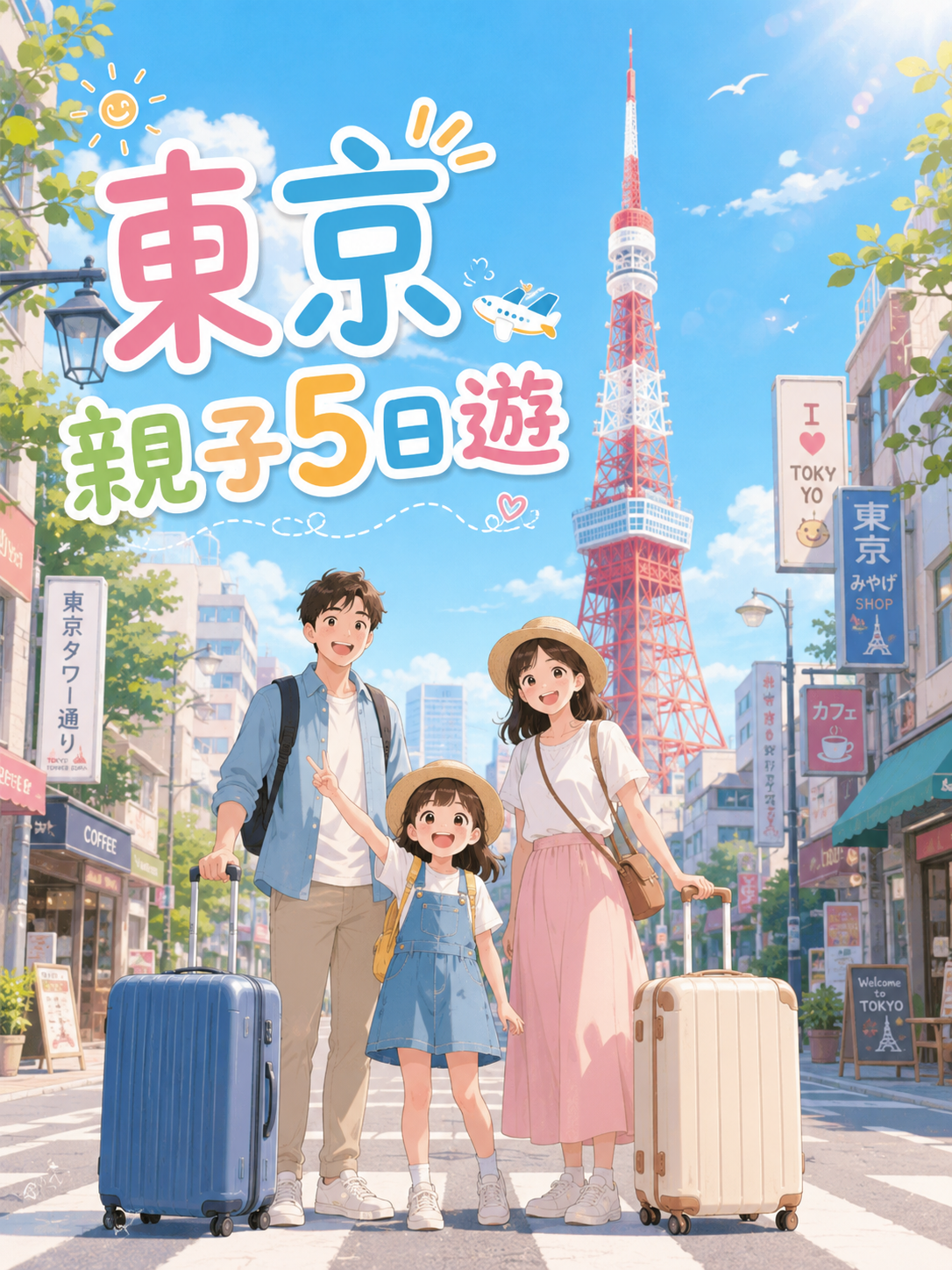
This prompt ChatGPT example combines a lifestyle base image, paper tape, stickers, soft illustration, and clear travel typography.

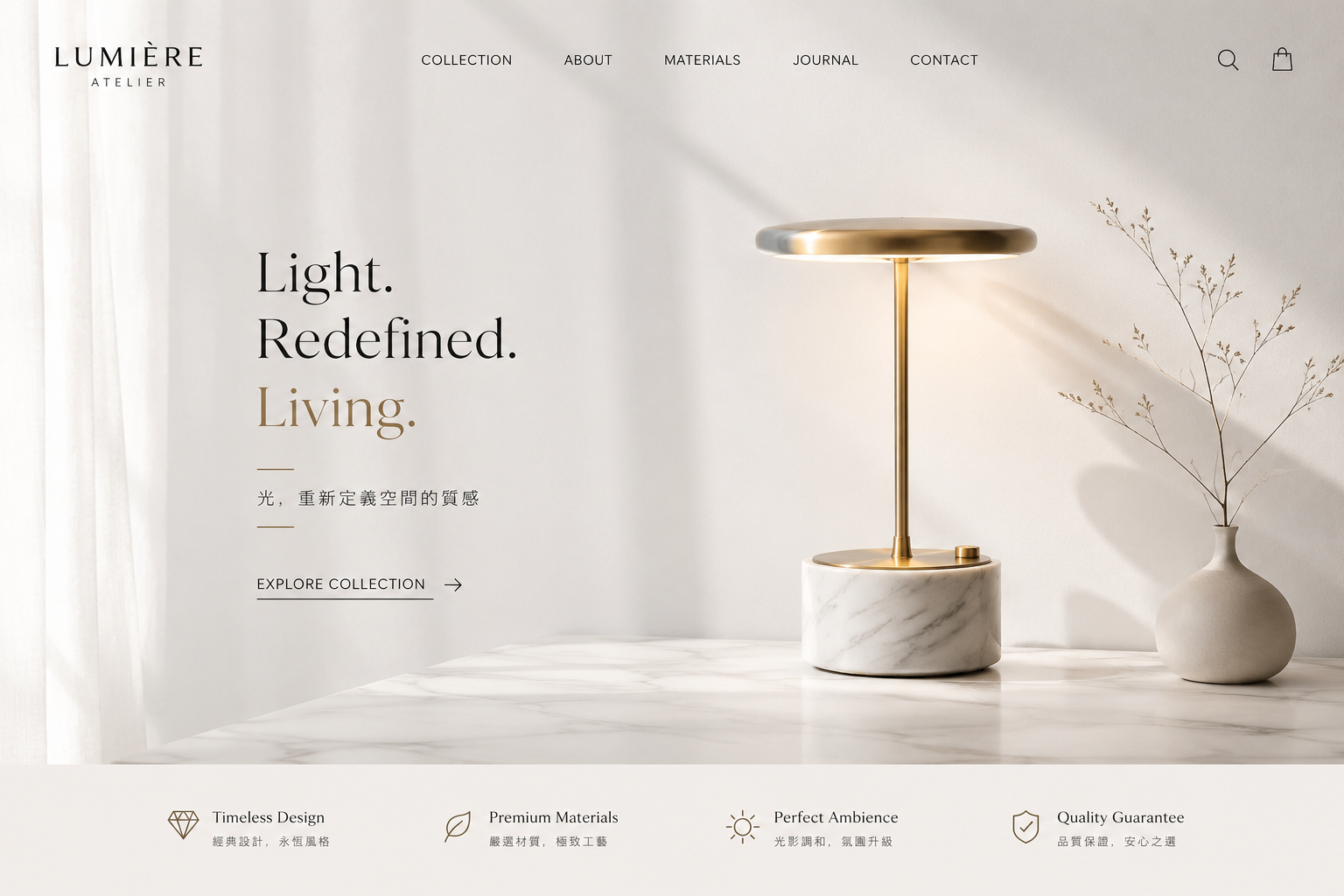
A practical prompt ChatGPT template for ecommerce hero images, landing page banners, and product advertising visuals.

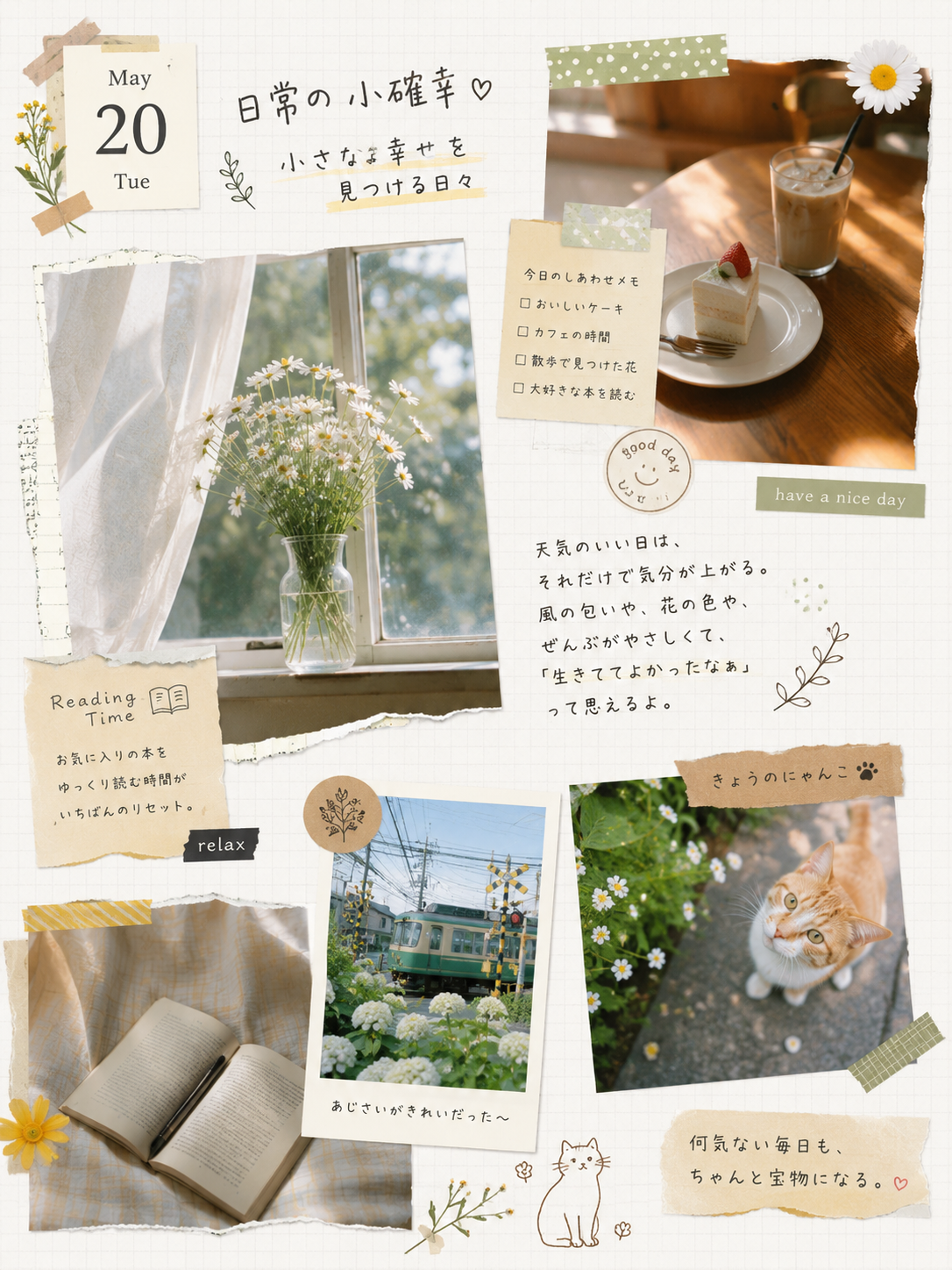
A prompt ChatGPT example for creating a gentle lifestyle scrapbook layout with taped photos, flowers, cats, café moments, and Japanese diary text.

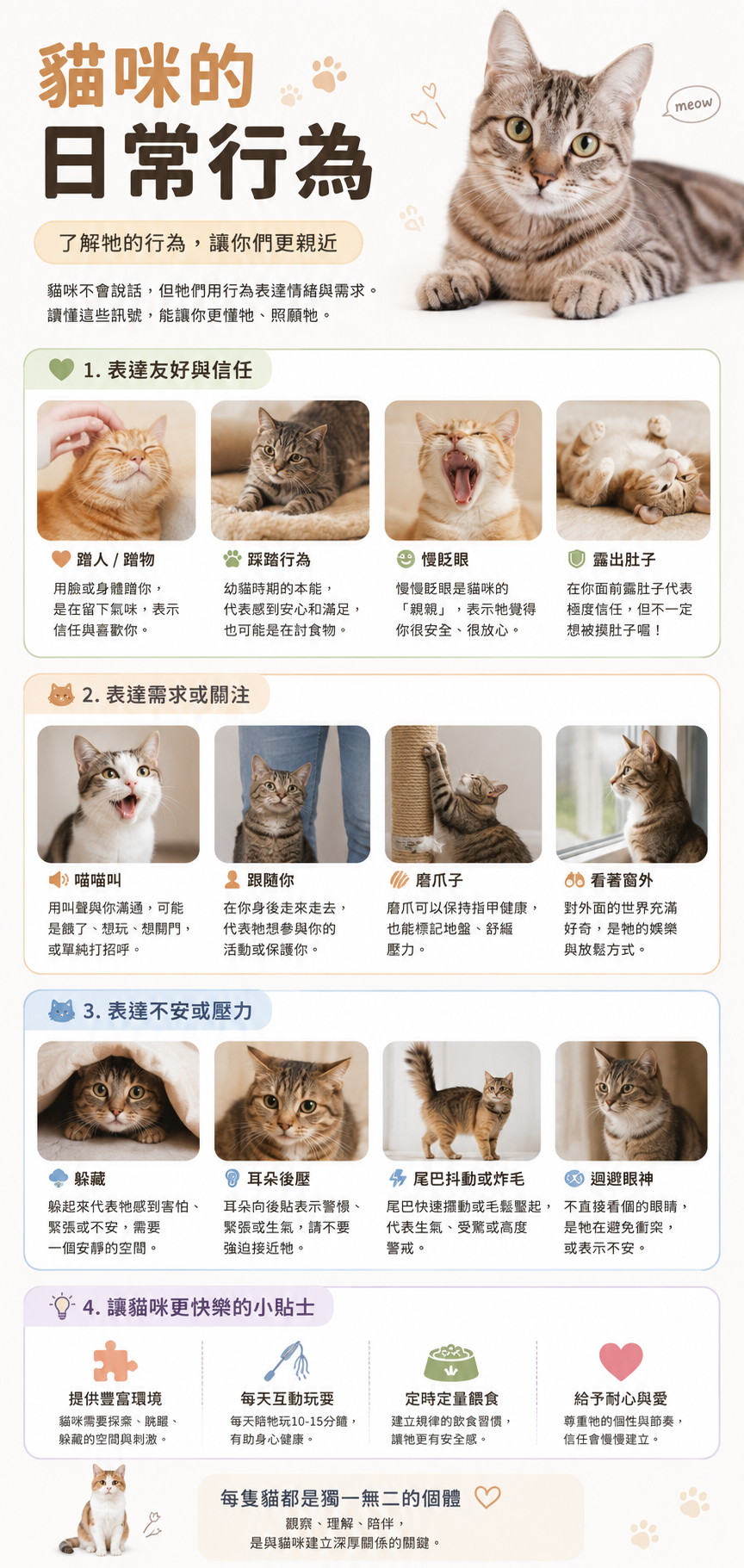
This prompt matches a tall educational poster about cat daily behavior, using photo cards, soft icons, readable Chinese text, and pastel section boxes.

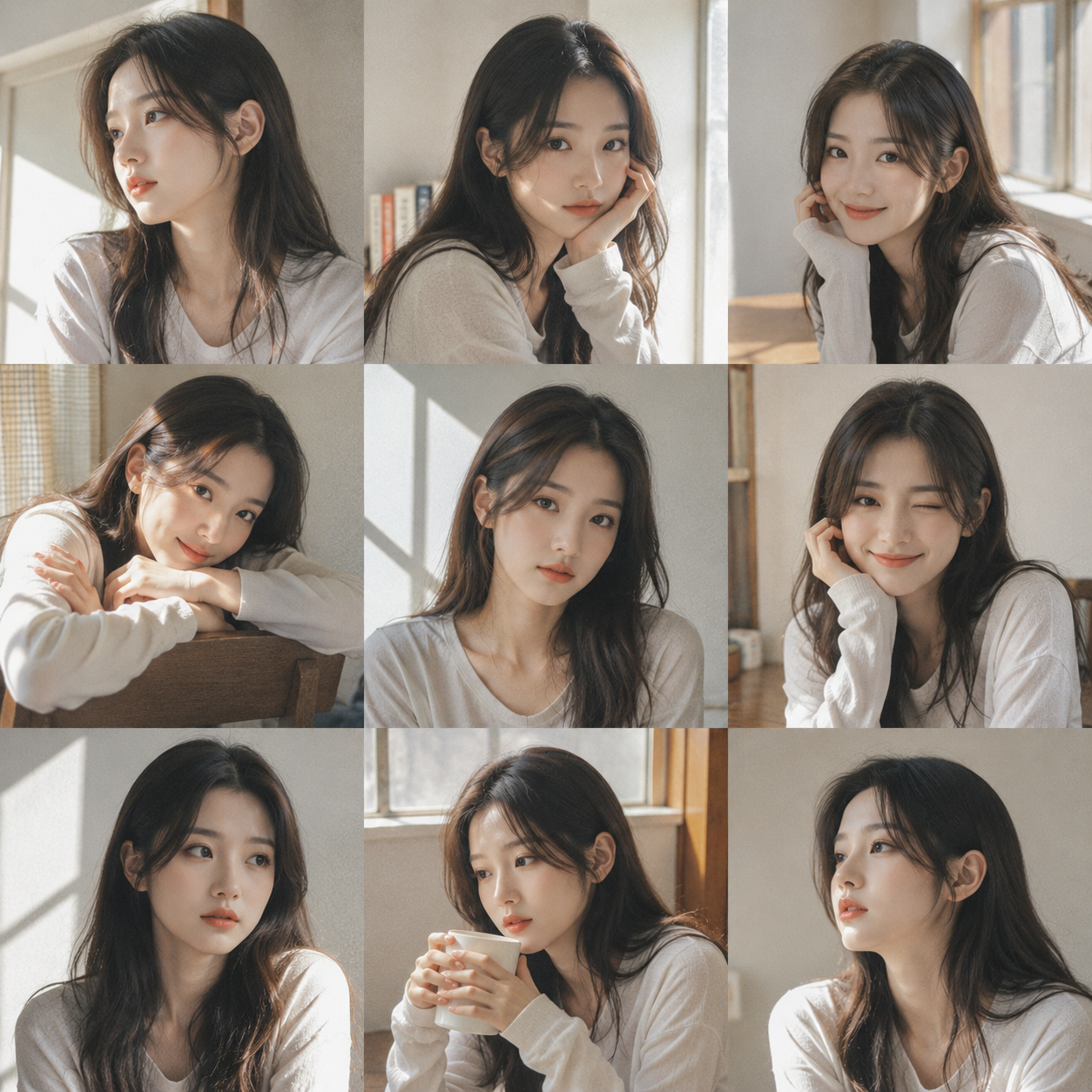
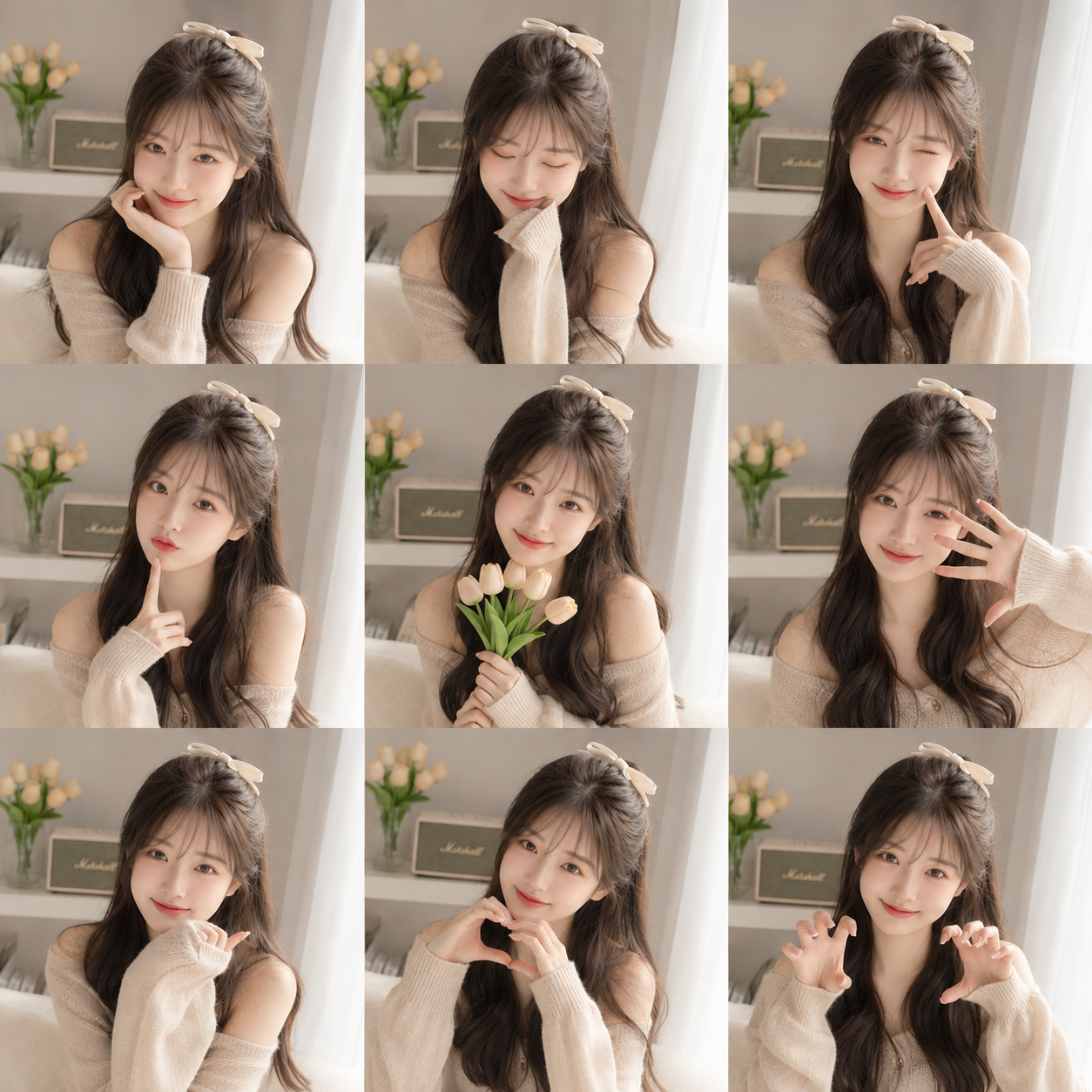
A prompt ChatGPT card for generating a cohesive portrait grid with the same person, soft indoor light, varied poses, and consistent styling.

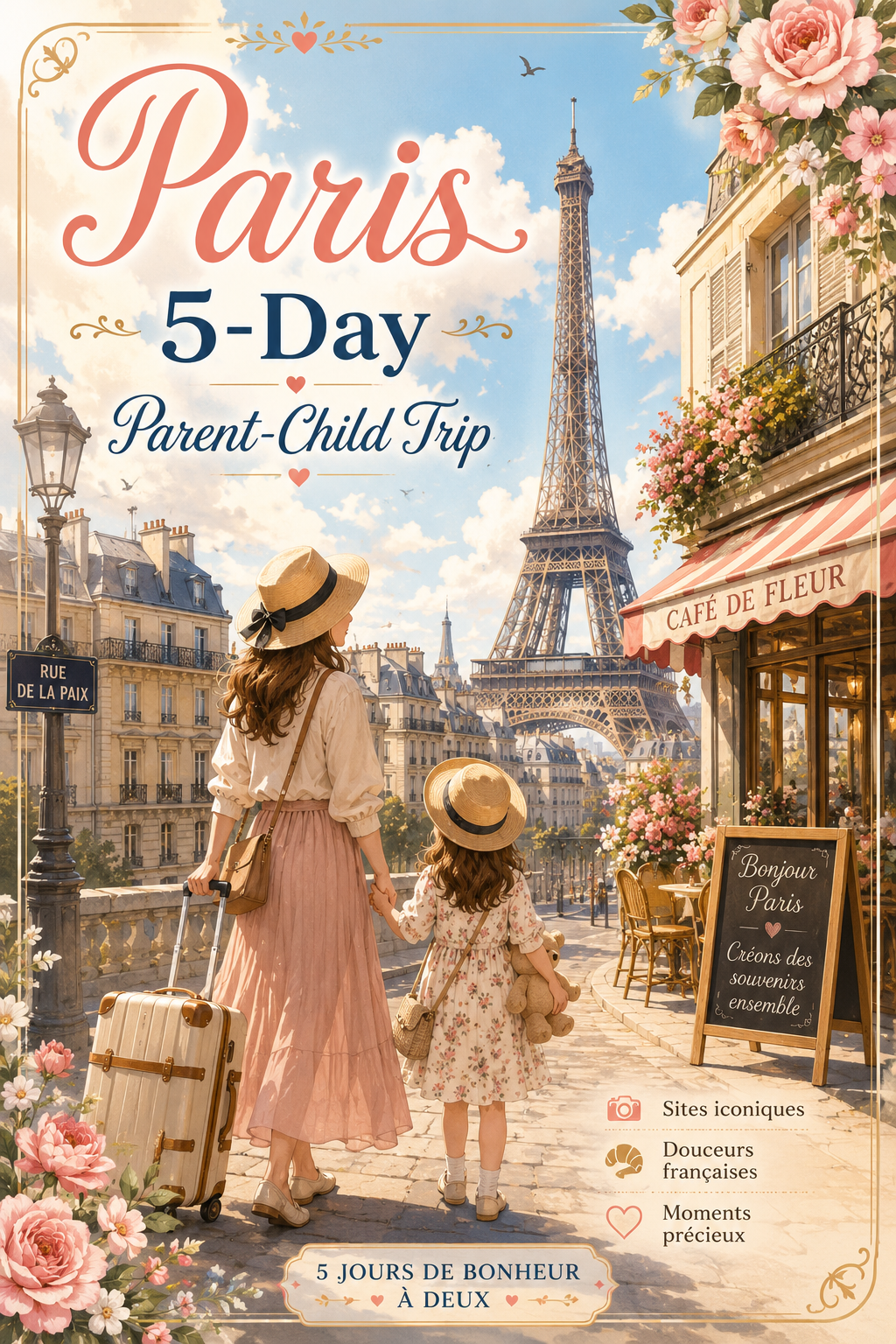
A romantic travel poster prompt with Eiffel Tower scenery, mother and child figures, floral borders, café details, and decorative typography.

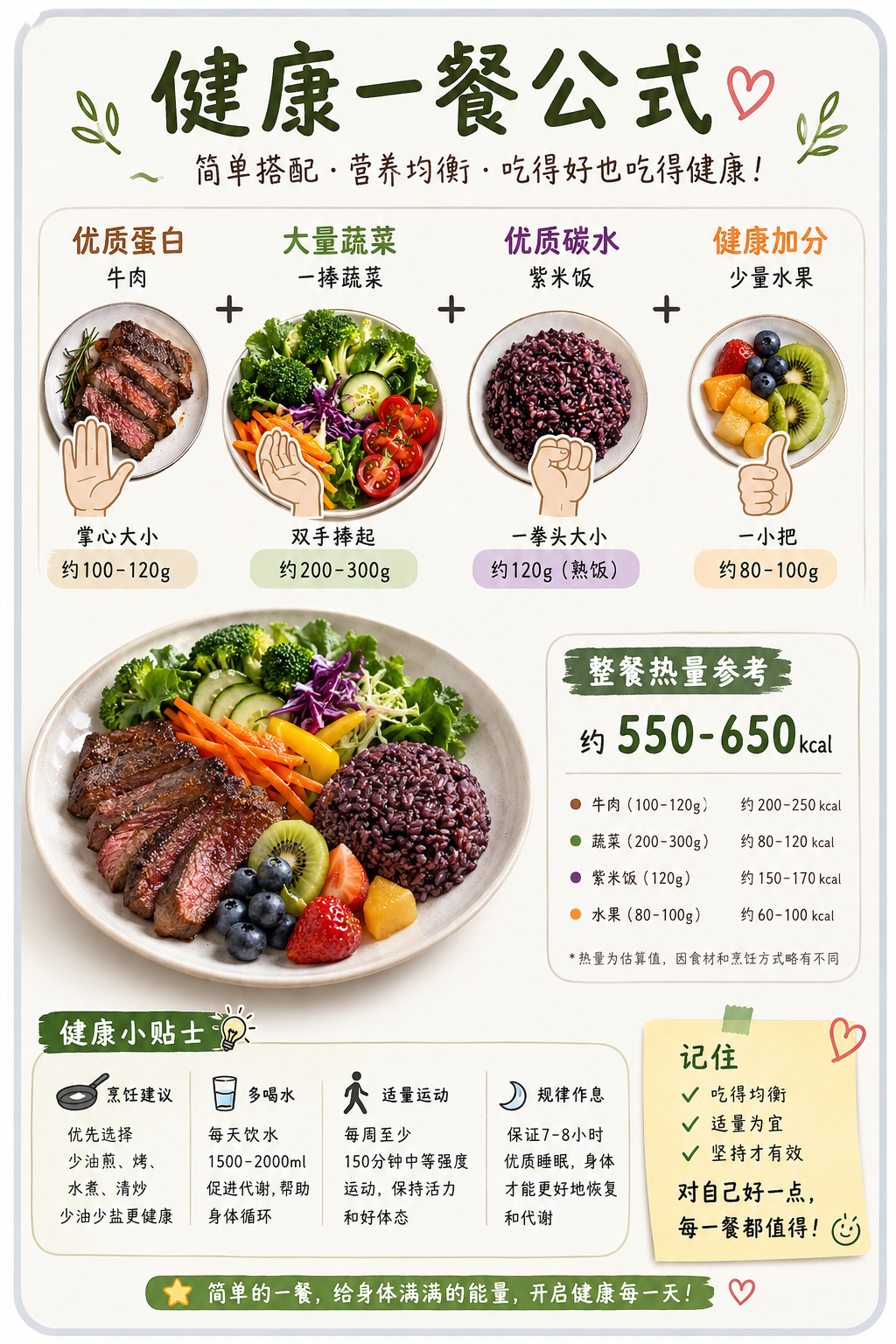
A food education prompt for a balanced lunch formula with protein, vegetables, carbs, fruit, calories, icons, and practical health notes.

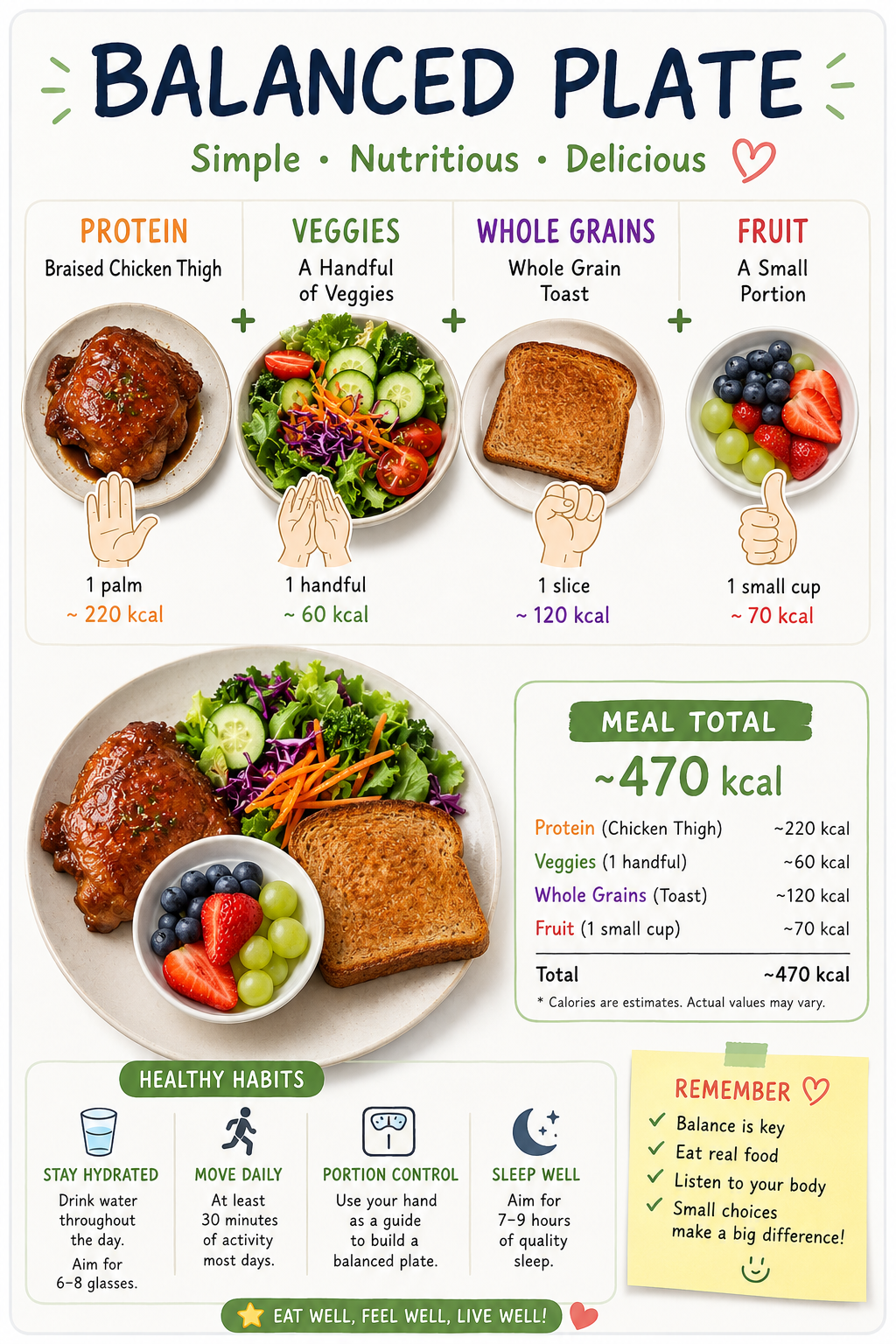
This prompt creates a clear English nutrition poster with food groups, calories, portion cues, habits, and a friendly hand-drawn style.

A square portrait grid prompt focused on the same subject, cream sweater styling, tulip prop, cute gestures, and soft bedroom light.

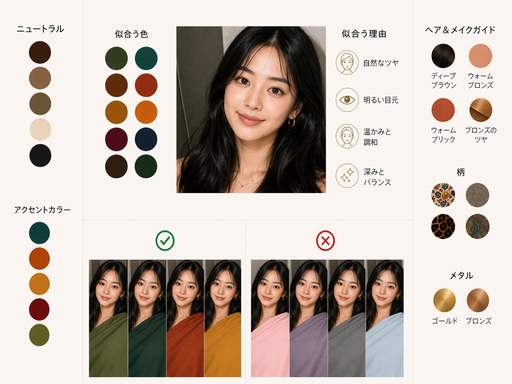
A structured prompt for creating a useful reference sheet with swatches, labels, and visual comparison areas.

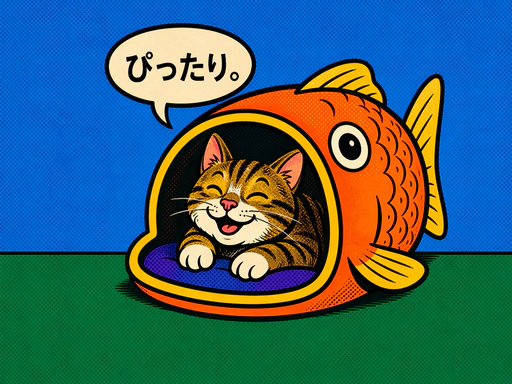
This prompt matches a bold pop-art image with a happy tabby cat, orange fish bed, speech bubble, and halftone color blocks.

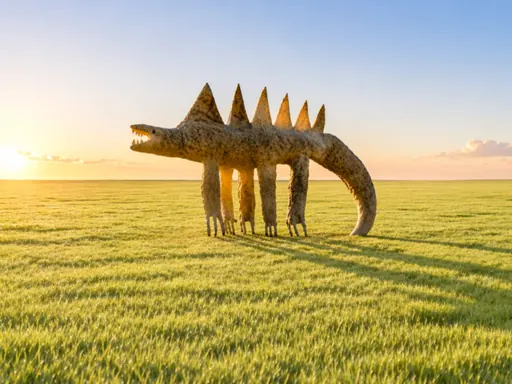
A surreal prompt for a strange stegosaurus-like creature in realistic golden-hour landscape photography.

A macro photography prompt centered on curled fern texture, wet forest atmosphere, shallow depth of field, and botanical detail.

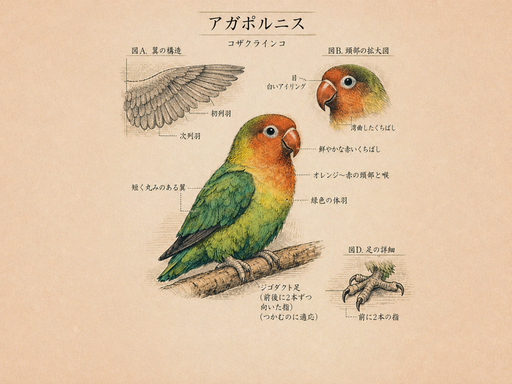
A naturalist poster prompt for a watercolor bird study with Japanese labels, feather details, and warm paper texture.

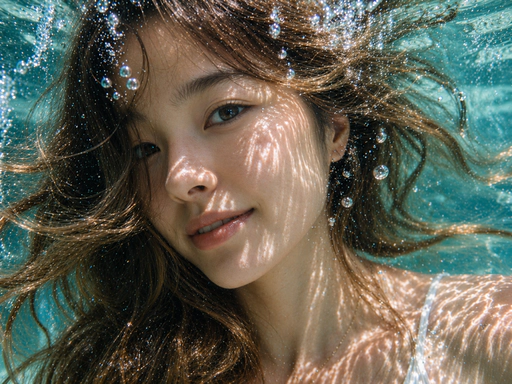
A photo-real prompt for a close underwater selfie portrait with bubbles, flowing hair, turquoise water, and caustic light patterns.
Treat the first sentence like a note for a photographer, illustrator, set designer, and typographer. Start with a concrete object, place, person, or tiny moment before polishing the wording.
Decide what the viewer should notice first. Give the scene a lead subject, then make every supporting detail useful for mood, story, or hierarchy.
Choose a medium you can picture: glossy photo, paper collage, watercolor poster, miniature set, product mockup, or infographic. Medium changes edges, shadows, textures, and density.
Use color as a design decision, not a vague adjective. A palette gives the image memory and makes the result easier to refine.
Lighting is the emotional shortcut. Before copying the final prompt, check whether the light matches the feeling you want.
Keep on-image text short and intentional. Describe the lettering style and leave space for it in the composition.
Strong prompts are easy to revise. Change composition, light, props, or palette one card at a time.
For a series, repeat identity, palette, camera language, and mood, then vary only the action or setting.
Read the prompt once before using it. If it sounds like art direction rather than decoration, it is ready.
Small notes
Start with the subject and the feeling. A clear moment is easier to shape than a long list of adjectives.
Use enough detail to guide the scene, but keep every detail useful. If a word does not change the image, remove it.
Yes. Copy the finished prompt or download it as a text file so you can reuse the direction later.
The ratio decides how much room the subject, text, and background can occupy. It is part of the composition, not a final detail.
Repeat the anchor details: character identity, palette, camera language, lighting, and mood. Change only the action or setting.